


Shopify SEO Tips: Rank Higher and Sell More

Organic traffic is still the most compounding growth channel in ecommerce—until it isn’t. The reason many stores “stop growing” in Google is not because SEO is dead. It’s because their catalog expands faster than their site structure, their pages become duplicative, and their content stops matching real search intent.
This guide is a practical SEO playbook for Shopify merchants who want higher rankings and better revenue per session. We’ll cover what matters most in 2026: clean site architecture, strong on-page signals, fast performance, and content that earns clicks and links naturally—without turning your store into a blog farm.
If you’re building on Shopify and want an SEO foundation that can scale with your catalog, Shopify gives you a solid starting point to ship quickly, publish consistently, and measure results from one dashboard.

Why Shopify SEO Feels Harder Than It Should
Most Shopify SEO issues come from scale. A store starts with a few products, then grows into hundreds (or thousands) of URLs. That’s when problems appear:
- Thin pages (same description across variants or collections)
- Duplicate paths (products reachable from multiple URLs)
- Unclear hierarchy (collections, tags, and internal links not aligned)
- Slow pages (heavy images, scripts, and bloated themes)
Google doesn’t “hate Shopify.” Google hates confusion. Your job is to reduce ambiguity: make it obvious what each page is about, how it relates to the rest of your site, and why it deserves to rank.
Start With the Pages That Actually Move Revenue
Before you optimize everything, focus where SEO impact is highest:
- Homepage (brand + broad category relevance)
- Top collections (highest-intent category queries)
- Top products (long-tail “buy-ready” queries)
- Supporting content (guides that remove purchase friction)
If you only fix these areas well, you’ll often outperform stores that “optimize everything” poorly.
Homepage SEO: Make Your Store Instantly Understandable
Your homepage is rarely where you rank for long-tail product terms. It’s where you clarify what you sell and who it’s for.
Do this:
- Write a clear H1 that includes your main category (not just your brand name).
- Add a short intro paragraph explaining what you sell and what makes you different.
- Link to your core collections using descriptive anchor text (not “Shop now”).
Example H1 patterns that work:
- “Premium Dog Supplements for Daily Wellness”
- “Minimalist Skincare for Sensitive Skin”
- “Modern Lighting for Small Apartments”
This is less about stuffing keywords and more about removing uncertainty for both Google and shoppers.
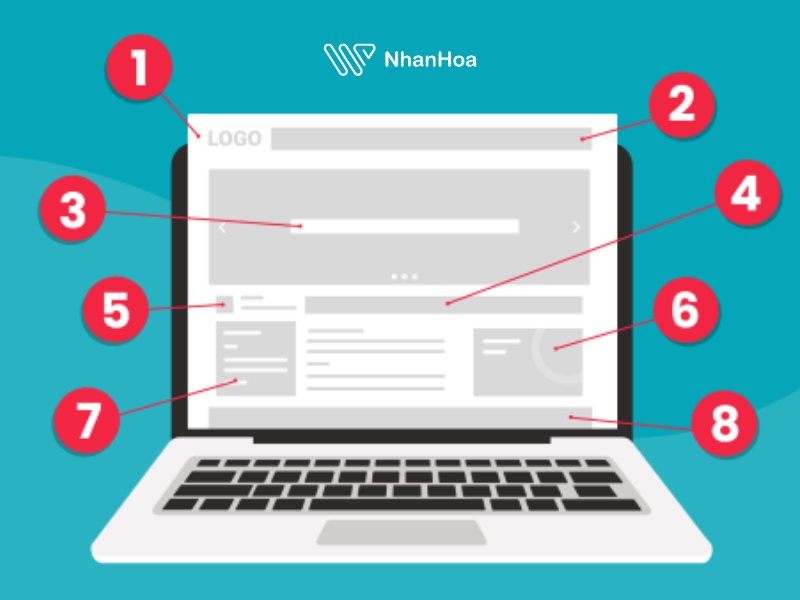
Stop Duplicate Content Before It Spreads
Duplicate content is common in ecommerce. The goal isn’t perfection—it’s control.
Where duplication usually comes from on Shopify:
- Collections and tag filters creating many similar URLs
- Variant pages that don’t add unique value
- Copy-paste descriptions across products in the same line
What to do instead:
- Choose one “primary” page per intent. If two URLs target the same query, pick one to win.
- Make collection intros unique by explaining who the collection is for, how to choose, and what to avoid.
- Rewrite the top sellers first (even small improvements can compound).
Think of it like merchandising: two identical shelves don’t help customers decide. One shelf with a clear message does.
Title Tags and Meta Descriptions That Earn Clicks
Ranking is only half the game. The other half is getting the click.
Title tags should communicate intent quickly:
- Lead with the main query
- Add a differentiator (material, use case, benefit)
- End with the brand if space allows
Examples:
- “Hypoallergenic Earrings for Sensitive Ears | Brand”
- “Organic Dog Treats for Training | Brand”
- “Minimalist Desk Lamps for Home Office | Brand”
Meta descriptions should explain value and reduce friction:
- Clarify shipping/returns if it’s a competitive advantage
- Mention what’s included (sizes, colors, bundles)
- Use a simple call to action (without sounding spammy)
Don’t write meta descriptions like ads. Write them like a confident store associate: helpful, specific, and calm.
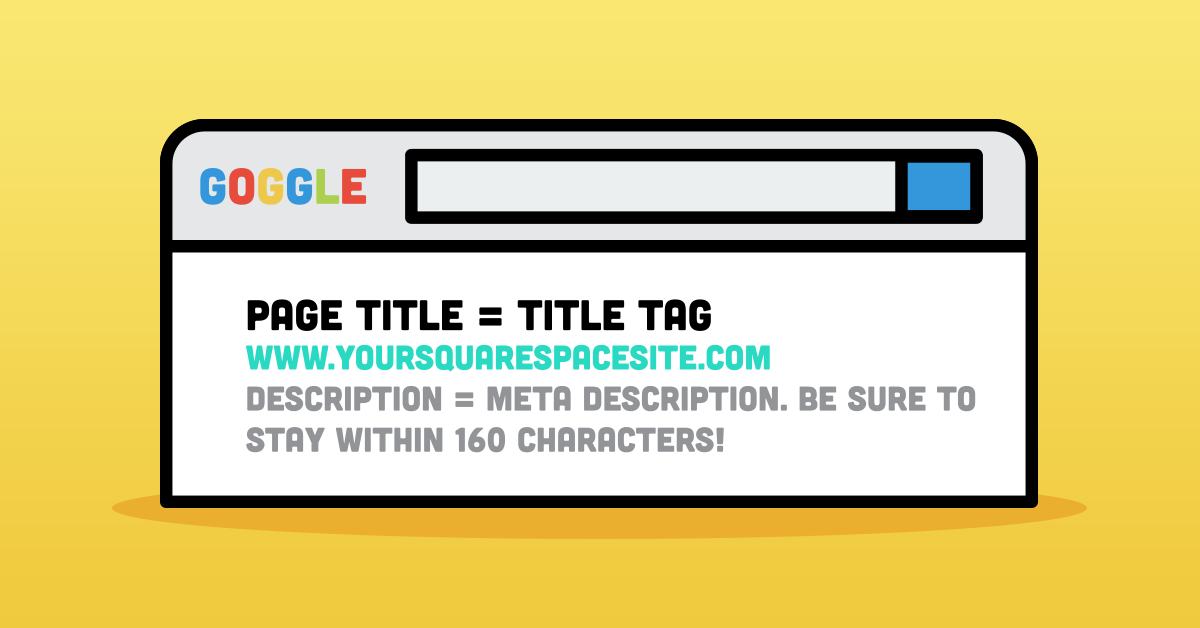
Image SEO: Make Photos Sell and Rank
Images affect SEO in two ways: page speed and relevance signals.
Use this checklist:
- Compress images before uploading (aim for fast loading without obvious quality loss).
- Name files descriptively (e.g., “blue-ceramic-mug-12oz.jpg”).
- Write alt text for humans (describe what it is, color/material, use case).
- Keep ratios consistent to improve collection page UX.
Alt text example:
- Good: “Stainless steel water bottle with flip lid, 24oz, matte black”
- Bad: “bottle image”
When your store looks consistent, shoppers trust faster—and Google sees a site that’s cared for.
Product Page SEO: Win the Long-Tail Without Guessing
Product pages rank best when they answer “Should I buy this?” faster than competitors.
Add these blocks to your product pages (especially for your revenue drivers):
- Benefit-first opening (what problem it solves)
- Use cases (where it fits, who it’s for)
- Specs (materials, sizing, compatibility)
- Care instructions (reduces returns)
- FAQ (shipping, fit, durability, safety)
For SEO, “unique copy” matters—but “useful copy” matters more. A short section about sizing, durability, or ingredients can be the difference between a bounce and a sale.
Collection Page SEO: Your Highest-Intent Growth Lever
Collections often rank for commercial category terms—meaning high intent and high volume.
How to make collection pages stronger:
- Write a short intro that frames buying decisions (not just fluff).
- Add a “how to choose” section with common mistakes and quick recommendations.
- Use internal links to sub-collections and buying guides.
- Sort products intentionally (best sellers first is often safest).
Example: A “Dog Food” collection can include a short “choose by age / size / sensitivities” block. That helps both ranking and conversion.
Analytics and Search Console: Measure the Right SEO Metrics
SEO work should not feel like mystery. You need feedback loops.
Track these weekly:
- Top landing pages from organic search (which pages Google trusts)
- Queries with high impressions but low CTR (snippet improvement opportunities)
- Queries ranking in positions 4–15 (fastest wins)
- Revenue by organic landing page (SEO that pays, not just traffic)
When you see a product page ranking but not converting, that’s usually a messaging/UX mismatch—not an SEO problem.
Internal Linking: Build Authority Without Begging for Backlinks
Internal links are “free SEO.” They teach Google what matters on your site.
Simple internal linking system that works:
- Homepage → core collections
- Collections → best sellers + buying guide
- Blog guides → relevant products + collections
- Products → related products (true relevance, not random)
Anchor text should be descriptive. If you sell skincare, “vitamin C serum” is a better link than “click here.”
Canonical and Redirect Hygiene That Prevents SEO Debt
Two things create silent SEO debt: messy canonicals and broken URLs.
Keep it clean:
- Pick one primary domain version (www or non-www) and redirect everything to it.
- Use URL redirects when removing products or changing handles.
- Redirect to the closest match (not always the homepage).
If a discontinued product had backlinks, redirect it to the most relevant alternative product or the parent collection. That preserves authority and improves shopper experience.
Robots and Sitemap: Index What Matters
Most stores don’t have an indexing problem—they have a quality problem. Still, your sitemap helps Google find important URLs faster.
- Submit your sitemap in Search Console.
- Keep low-value pages out of the spotlight (thin tag pages, duplicate filters).
- Make sure your key pages are internally linked so crawlers reach them naturally.
Indexing follows structure. Structure follows strategy.
Reviews and Trust Signals That Lift Rankings Indirectly
Product reviews don’t “magically” rank you. But they improve the metrics that Google learns from:
- Longer time on page
- Higher conversion rate
- Lower bounce rate (when content answers objections)
Also, reviews create unique, user-generated text that helps product pages stay fresh. If you sell in competitive categories, reviews are not optional.
A Simple Shopify SEO Routine You Can Follow Weekly
If you want SEO progress that compounds, keep the routine simple:
- Weekly: identify 3–5 pages ranking 4–15, then improve titles/meta and add missing content blocks
- Weekly: add internal links from relevant guides/collections to those pages
- Monthly: publish one high-intent guide that supports a core collection
- Monthly: audit top images for size and alt text consistency
- Quarterly: prune or improve thin collections and duplicate pages
SEO is not a one-time project. It’s maintenance—like keeping shelves organized in a store that never closes.

Final Thoughts
Shopify SEO isn’t about chasing every tactic. It’s about building a store that’s easy for Google to understand and easy for shoppers to buy from. When your structure is clean, your pages match intent, and your catalog is consistently presented, rankings follow naturally.
If you want a platform that makes it easier to publish, optimize, and scale your store without rebuilding the entire foundation every year, start with Shopify and treat SEO as a system—not a one-off checklist.
We only recommend tools we've tested and trust. This post may include affiliate links, meaning we may earn a commission if you choose to purchase - at no extra cost to you.